
Before the First Commit: What Multi-Agent Sprint Planning Actually Catches

Before the First Commit: What Multi-Agent Sprint Planning Actually Catches

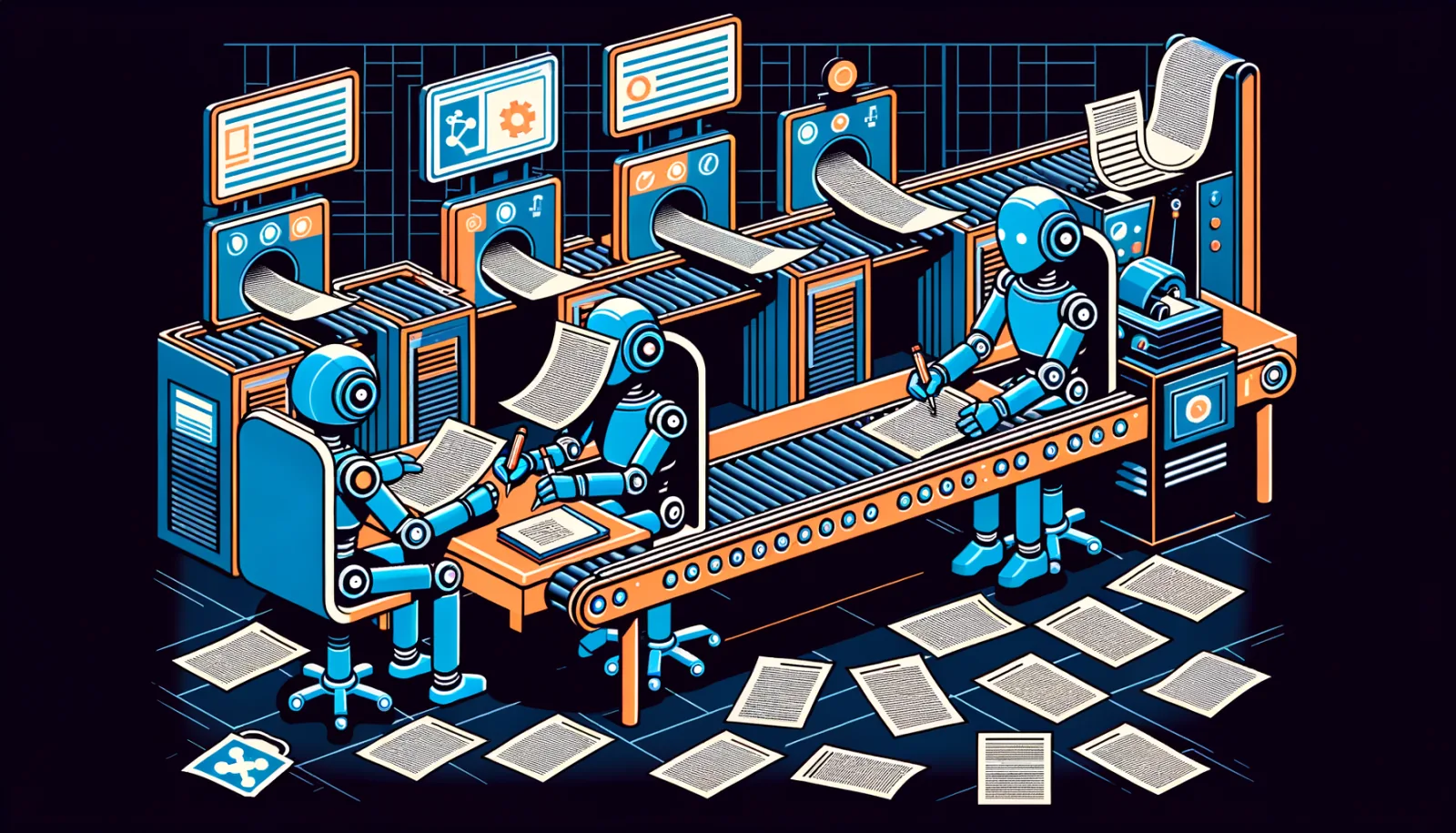
A multi-agent sprint planning workflow ran against a simple Go REST API project and caught three critical security findings before a line of code was written — a logical contradiction in the auth design, a data model bug that would have broken token rotation, and a SQLite gotcha that silently disables foreign key enforcement under connection pooling. Here's what the full planning session produced, and why the review phases are where the value lives.

AI , Automation , Best Practices
Read more

From Config Hub to Competing Voices: How agent-config Became My AI Collaboration Stack

From Config Hub to Competing Voices: How agent-config Became My AI Collaboration Stack

The agent-config repository started as a multi-agent configuration hub for Claude, Codex, Copilot, and Gemini. It's now a Claude-specific personal workflow system — but Codex didn't disappear. It got repurposed as a competitive collaborator whose job is to challenge, critique, and improve every output Claude produces. Here's what that evolution looks like in practice.

AI , Automation , Tools
Read more

Opening Polyphon: Trust Needs an Exit

Opening Polyphon: Trust Needs an Exit

Polyphon is now open source under Apache 2.0. The reason isn't contributor growth or community optics — it's that local-first AI software can't ask users to accept privacy and control claims on faith alone. Open source gives users two things: the ability to inspect the architecture and verify what the tool is actually doing, and a real exit if the project ever changes direction.

AI , Best Practices , Tools
Read more

Polyphon at v0.8.0: The End of the Prototype Phase

Polyphon at v0.8.0: The End of the Prototype Phase

When I shipped Polyphon v0.1.0-alpha.2, session export and a plugin system were next on the roadmap. Today it's v0.8.0, and the features that actually changed how the product feels weren't the ones I planned: voices that interact with real files with per-voice sandboxing, whole-database AES-256 encryption with password protection, and FTS5 search that turns conversation history into working memory. This is the release where Polyphon starts to feel trustworthy for real work.

AI , Automation , Tools
Read more

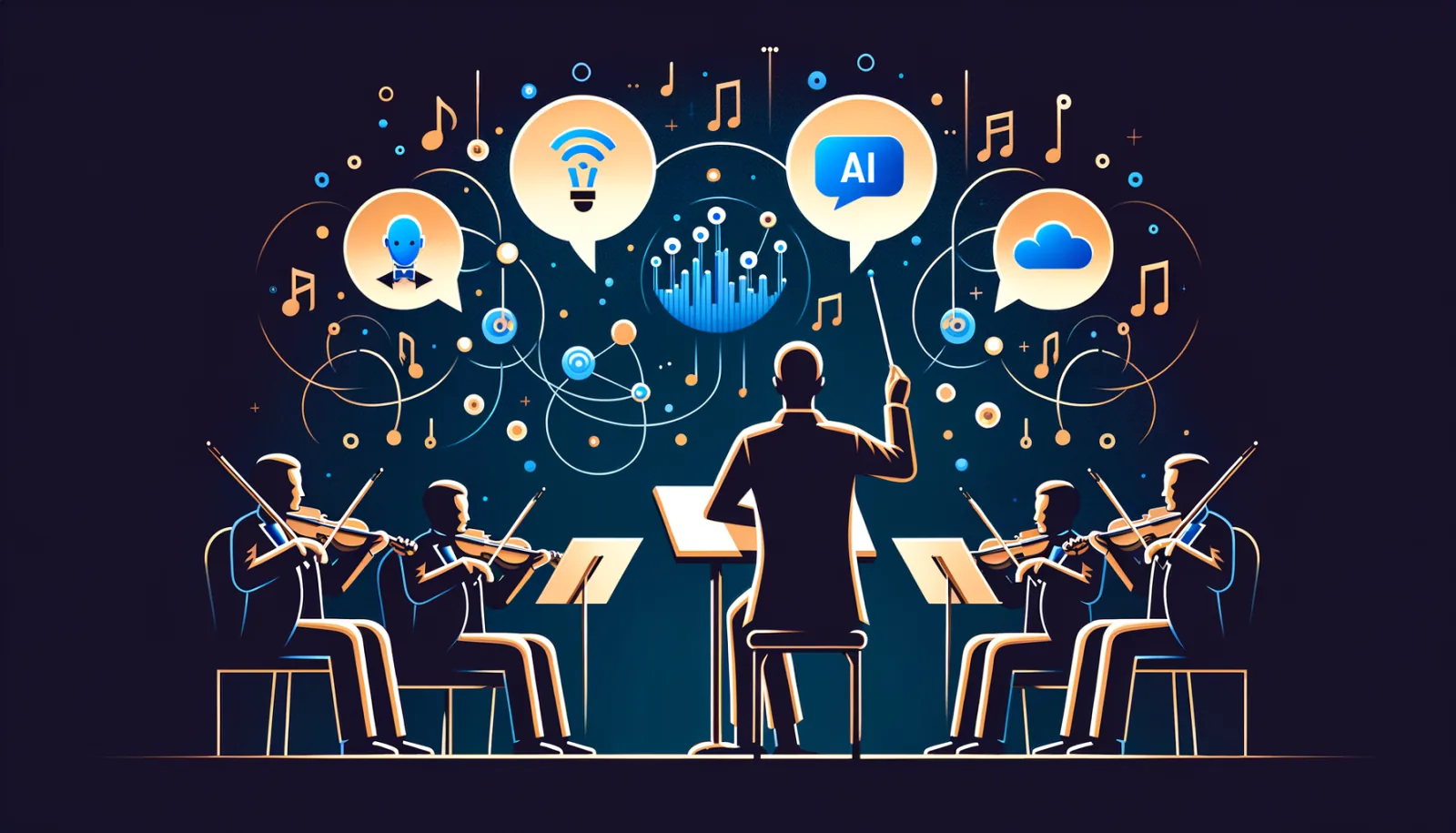
Polyphon's MCP Server Makes Your AI Ensemble a Native Agent Tool

Polyphon's MCP Server Makes Your AI Ensemble a Native Agent Tool

Polyphon just shipped MCP server support, and it changes the product's role in a developer workflow. Instead of opening Polyphon as a UI you visit deliberately, your coding agent — Claude Code, Cursor, Codex CLI, GitHub Copilot, Windsurf, Gemini CLI — can now call into it directly and broadcast a prompt across your entire Claude + GPT-4o + Gemini ensemble in one shot. Here's what shifted, why the SessionEventSink abstraction made it possible, and when multi-model review is actually worth it.

AI , Automation , Tools
Read more

Free Doesn't Mean Open: How AI Is Unbundling the Open Source Bargain

Free Doesn't Mean Open: How AI Is Unbundling the Open Source Bargain

For decades, 'free software' and 'open source' were nearly synonymous — because building something worth sharing required a community. AI has dissolved that constraint. But the story isn't that open source is dying. It's that open source used to do five jobs at once, and AI is separating those threads. Some become less necessary. Others become more critical than ever.

AI , Best Practices , Tools
Read more

I Built a Tool So AI Models Could Talk to Each Other

I Built a Tool So AI Models Could Talk to Each Other

Polyphon is a desktop app I shipped this week for orchestrating multiple AI models in a single conversation. Instead of tab-juggling between Claude, GPT, and Gemini, you run all of them as voices in one shared session where they can actually read and respond to each other. Here's why I built it, what technical bets I made, and what I learned on launch day.

AI , Automation , Tools
Read more

The Blog That Builds Itself: AI Automation Behind the Scenes

The Blog That Builds Itself: AI Automation Behind the Scenes

This blog runs on a custom automation pipeline where AI agents compete, critique, and synthesize every post. Here's how the /create-blog-post command, a DALL-E 3 image generation script, pre-commit image enforcement, and WebP optimization all compose into a content system that behaves like production software.

AI , Automation , Web Development
Read more

The Rise of the Agent Wrangler

The Rise of the Agent Wrangler

AI agents can write code, fix bugs, and ship features — but who can be trusted to ship production software when most implementation is delegated? Meet the Agent Wrangler: the engineer who decomposes work, directs multiple agents, validates output, and owns the outcome. Deep technical foundations matter more than ever. The keyboard gets less important. Judgment gets everything.

AI , Best Practices , Career
Read more

Why I Left Notion and Built My Own AI Agent Plugin for Obsidian

Why I Left Notion and Built My Own AI Agent Plugin for Obsidian

After refusing to pay for yet another AI subscription I couldn't customize, I switched from Notion to Obsidian and discovered there was no way to use my existing AI services inside it. So I built one — an open source AI Agent Sidebar plugin developed with agentic engineering and the dark factory method.

AI , Automation , Tools
Read more