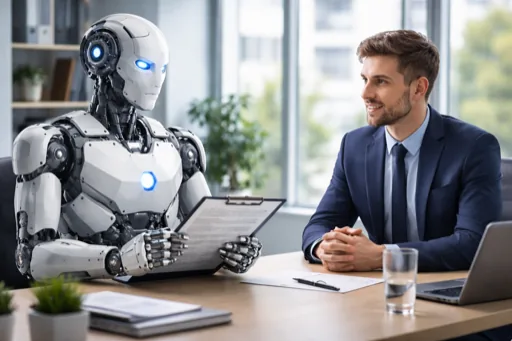
We have all been there: two candidates, two different interviewers, two very different experiences. One person gets warm small talk and the easy questions. Another walks into a colder room and a tougher line of questioning. The outcome can hinge on who you got and what kind of day they were having. That is where AI interviewers start to feel like a real upgrade.
What gets better with AI interviews
1. Consistency across questions AI interviewers can ask the same core questions in the same order, with the same prompts and constraints. That consistency makes it easier to compare candidates fairly because you are evaluating like with like, not apples with oranges.
2. Less bias based on protected classes Humans have blind spots. Even well-meaning interviewers can let unconscious bias creep in. AI systems can be designed to avoid sensitive topics entirely and stick to job-relevant criteria. That does not magically eliminate bias, but it does move the process toward a more structured, auditable approach.
3. No “vibe” penalty Human interviews often include a silent “do I like this person” filter. That can favor people who share similar backgrounds, interests, or communication styles. AI does not have a social comfort zone or a clique. If you answer clearly and competently, you get credit for that, not for how well you match someone’s personal energy.
4. Mood does not swing the outcome People have bad days. They are tired, stressed, or distracted. AI does not carry that baggage into the room. It asks the questions the same way every time, which helps keep the process fairer and more predictable.
How it compares to a human interview
Here is a quick side-by-side to show the tradeoffs more clearly:
- Consistency: AI is strong. Humans vary widely between interviewers and even day to day.
- Bias risk: AI can reduce certain human biases, but it can still inherit bias from training data or flawed evaluation criteria.
- Empathy: Humans are better at reading context, stress, and nuance in a candidate’s situation.
- Flexibility: Humans can adapt questions on the fly to explore interesting answers; AI is better at staying on script.
- Psychological safety: Good humans can make a candidate feel seen and supported; AI is often more neutral and can feel colder.
- Auditability: AI can log questions, scoring, and outcomes in a way that is easier to review.
The fairer path is structured, not soulless
The best interviewing systems are not “AI versus human.” They are structured, consistent, and transparent. AI helps make the process more objective and repeatable. Humans add context and judgment where it matters. But if your goal is to make interviews fairer across candidates, the AI approach makes a strong case: same questions, same standards, and far less reliance on how the interviewer feels or who they naturally connect with.
If you have ever walked out of a great interview and wondered if the next candidate would get the same chance, you already know why consistency matters. AI interviews are not perfect, but they are a real step toward a more even playing field.